Elevate Your Living Space: Creative Ideas for Stunning Home Additions
Transforming a home through thoughtful additions can meaningfully elevate both its utility and curb appeal. From light-filled sunrooms that embrace the outdoors to spacious decks ideal for gatherings, the choices are varied. Extending vital areas like kitchens promotes meaningful interaction, while a garage can solve storage dilemmas. Grasping key design principles and proper planning is critical. Yet, what truly inspires homeowners to embrace these changes? The answer resides in the life-changing potential of professionally crafted home additions.
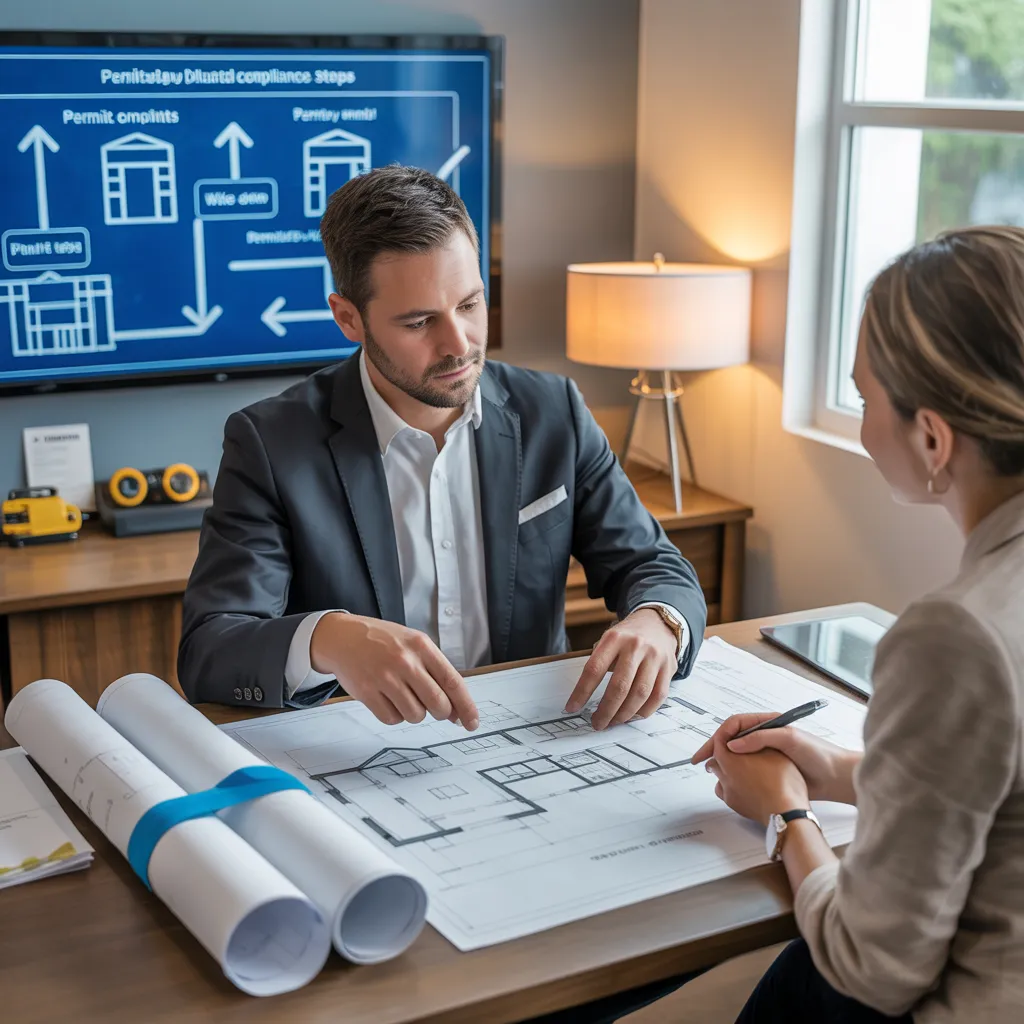
Discover Top Home Addition Ideas to Elevate Your Space
Many homeowners actively pursue unique approaches to upgrade their homes, and exploring popular home addition ideas can offer transformative solutions. One highly popular choice is incorporating a sunroom, which brings natural light indoors while creating a serene space for relaxation. An equally attractive option is a deck or patio, extending the living area outdoors and perfect for entertaining.
Homeowners can also explore broadening their kitchen areas, creating a more useful and appealing environment. Adding a garage not only offers extra storage but can additionally function as a workshop or hobby space.
For those needing additional sleeping quarters, expanding the bedroom space can deliver the privacy and comfort needed. Additionally, converting attics or basements into livable spaces presents an opportunity for creative design while maximizing existing square footage. Every one of these approaches holds the promise of boosting both usability and aesthetic charm, ultimately converting a home into a more comfortable and enjoyable space.
Ways Home Additions Can Improve Your Lifestyle?
Home additions can greatly enhance living space, offering families the opportunity to grow and adapt. Furthermore, adding to a home can result in greater property value, making it a wise financial investment. Finally, these improvements commonly encourage closer family relationships by creating shared areas for activities and gatherings.
Transform Living Space
Enlarging a home through home expansions can significantly enhance one's way of living by providing greater functionality and comfort. For growing families, extra rooms can address evolving needs, such as a dedicated play area for kids or a home office for remote work. A carefully planned addition can develop a seamless flow between indoor and outdoor spaces, encouraging leisure and connection. Moreover, including elements like large windows or open floor plans cultivates a sense of openness and connection with nature. Enhanced living spaces also support customized design decisions, expressing individual tastes and preferences. Ultimately, residential additions not only improve current areas but also establish surroundings that support well-being and enrich daily life.
Improve Property Value
Putting money into property additions can substantially boost a property's overall value, making it an intelligent financial move. By enlarging the home's footprint or adding functional spaces, homeowners can attract potential buyers and boost selling prices. Additions like additional bedrooms, updated kitchens, or flexible living spaces often yield significant returns on investment. Additionally, enhancements like sunrooms or decks not only enhance visual appeal but also appeal to lifestyle desires, ultimately enhancing marketability. A well-planned addition can turn a residence into a more desirable asset, reflecting the current market trends and buyer preferences. Ultimately, purposeful residential additions serve as a smart approach to enhancing overall property value while improving the day-to-day lifestyle of existing residents.
Foster Family Connections
A skillfully planned addition can greatly improve family connections by creating spaces that encourage interaction and togetherness. Expansive floor plans, such as family rooms or spacious kitchens, serve as hubs for communal activities, nurturing communication and bonding. Designated areas for hobbies or playrooms provide children a place to engage, while adults can benefit from nearby social spaces. Additionally, including outdoor living spaces, like patios or decks, permits families to come together in a comfortable environment. These enhancements not only promote everyday bonds but also create a backdrop for lasting gatherings and celebrations. In the end, carefully considered home additions transform living environments into supportive spaces that reinforce family ties, improving overall quality of life.
Key Design Elements to Improve Your Home Addition
When homeowners consider a home addition, incorporating key design components can greatly improve both visual appeal and practicality. Key elements include natural light, which can be achieved through large windows or skylights, establishing a luminous and appealing area. Moreover, an open floor plan promotes seamless flow between existing and new areas, creating a feeling of cohesion.
Incorporating complementary materials and colors ensures the extension integrates naturally with the original design, sustaining structural cohesion. Careful configuration of fixtures and furnishings enhances functionality, ensuring the area check here serves everyday needs. Exterior links, such as a patio or deck, help broaden living areas and foster outdoor relaxation. Additionally, energy-saving design solutions, utilizing effective insulation and responsible materials, contribute to long-term savings and environmental responsibility. By prioritizing these key design components, homeowners can create a cohesive and beautiful addition that enhances their living experience.
Plan Your Home Addition Project with Success
Proper planning is essential for a productive home addition project. Homeowners should begin by establishing their objectives, whether it's generating additional living space, enhancing functionality, or raising the home's value. Developing a well-defined vision serves to navigate the design and construction process. Next, investigating local building codes and zoning regulations is critical to ensure adherence and prevent possible complications.
Creating a timeline that details each step of the process supports preserving focus and accountability. Property owners would benefit from hiring qualified professionals, such as designers or contractors, to gain expert recommendations and keep the project on track.
Additionally, emphasizing communication among team members promotes cooperation and tackles problems as they emerge. Lastly, planning ahead for upcoming demands can aid in designing an addition that remains functional over time. By adhering to these guidelines, homeowners can navigate their home addition projects with greater confidence and clarity.
Planning Your Home Addition Budget: Key Tips
Planning the finances for a home addition demands thorough planning and careful thought to avoid unexpected expenses. Property owners should start by identifying a practical budget that encompasses every element of the project, including permits, materials, labor, and unforeseen expenses. It is recommended to set aside an extra 10-20% of the overall budget for unexpected circumstances.
Gathering and evaluating quotes from multiple contractors can offer useful information and assist in reaching well-informed choices. Additionally, homeowners ought to distinguish between their needs and desires, making certain that critical elements are covered without exceeding financial limits.
Creating a thorough timeline can help with coordinating expenses with construction stages, minimizing monetary pressure. Ultimately, seeking guidance from a financial expert or a construction specialist can offer greater insight into possible expenses and funding solutions, ensuring that the spending stays on track throughout the residential addition endeavor. This thoughtful strategy facilitates a successful and financially sound property enlargement.
Real-Life Home Addition Transformations to Inspire You
Captivating property addition makeovers demonstrate the remarkable promise of living spaces. A prime example is a small single-story home that was subject to a remarkable upgrade with a sophisticated, contemporary annex. By incorporating a expansive kitchen and entertaining area, the homeowners elevated their culinary lifestyle while developing a inviting meeting place for relatives and companions.
Another transformation features a compact dwelling that expanded vertically with a delightful loft, optimizing the area while adding a comfortable reading corner. This clever design not only increased usability but also gave the residence a distinctive charm.
Ultimately, a single-story suburban home welcomed a sleek look with a fully glazed sunroom, filling the interior with an abundance of natural light and delivering magnificent vistas of the back garden.
These actual transformations demonstrate the numerous opportunities for residential additions, motivating homeowners to consider their own personalized improvements and redefine their living environments.
Commonly Asked Questions
What Permits Are Required for a Home Addition Project?
For a home addition project, one typically needs a building permit, zoning approval, and potentially permits for electrical or plumbing work. Municipal regulations differ, so checking with your municipal office is strongly recommended to ensure all requirements are met.
What Is the Typical Timeline for Completing a Home Addition?
A typical home addition usually takes between two to six months to be completed, depending on factors such as permits, size, complexity, and weather conditions. Thorough planning and an efficient contractor can greatly affect the overall timeline.
Can I Live in My Home During the Addition Process?
Absolutely, homeowners can generally stay in their homes during the home addition process. However, factors like the project's scale, work area, and sound levels may affect comfort and accessibility, prompting temporary arrangements or modifications during construction.
What Are Common Mistakes to Avoid When Planning an Addition
Frequent errors to watch out for when planning an addition consist of misjudging the overall budget, ignoring necessary building permits, failing to address structural concerns, failing to assess future needs, and overlooking the importance of professional advice. Diligent preparation leads to more efficient execution and improved results.
What Is the Best Way to Choose the Right Contractor for My Project?
To select the right contractor, you should review credentials, examine testimonials, and ensure clear communication. Comparing multiple bids and evaluating previous work can assist in identifying reliability and compatibility for the particular home improvement project.